September 10, 2026
Maintaining industrial machinery requires rigorous attention to detail, operational consistency, and an unwavering commitment to equipment health. For heavy-duty lifting and pulling tasks, an electric local oil field winch serves as a core operational asset, driving performance and productivity across demanding worksites.
Understanding the technical nuances of these systems is essential for maximizing uptime and protecting crew safety. By establishing structured maintenance protocols, organizations can optimize equipment performance while drastically reducing the risk of catastrophic mechanical failures in severe environments.
Navigating the Essential Role of Winch Systems
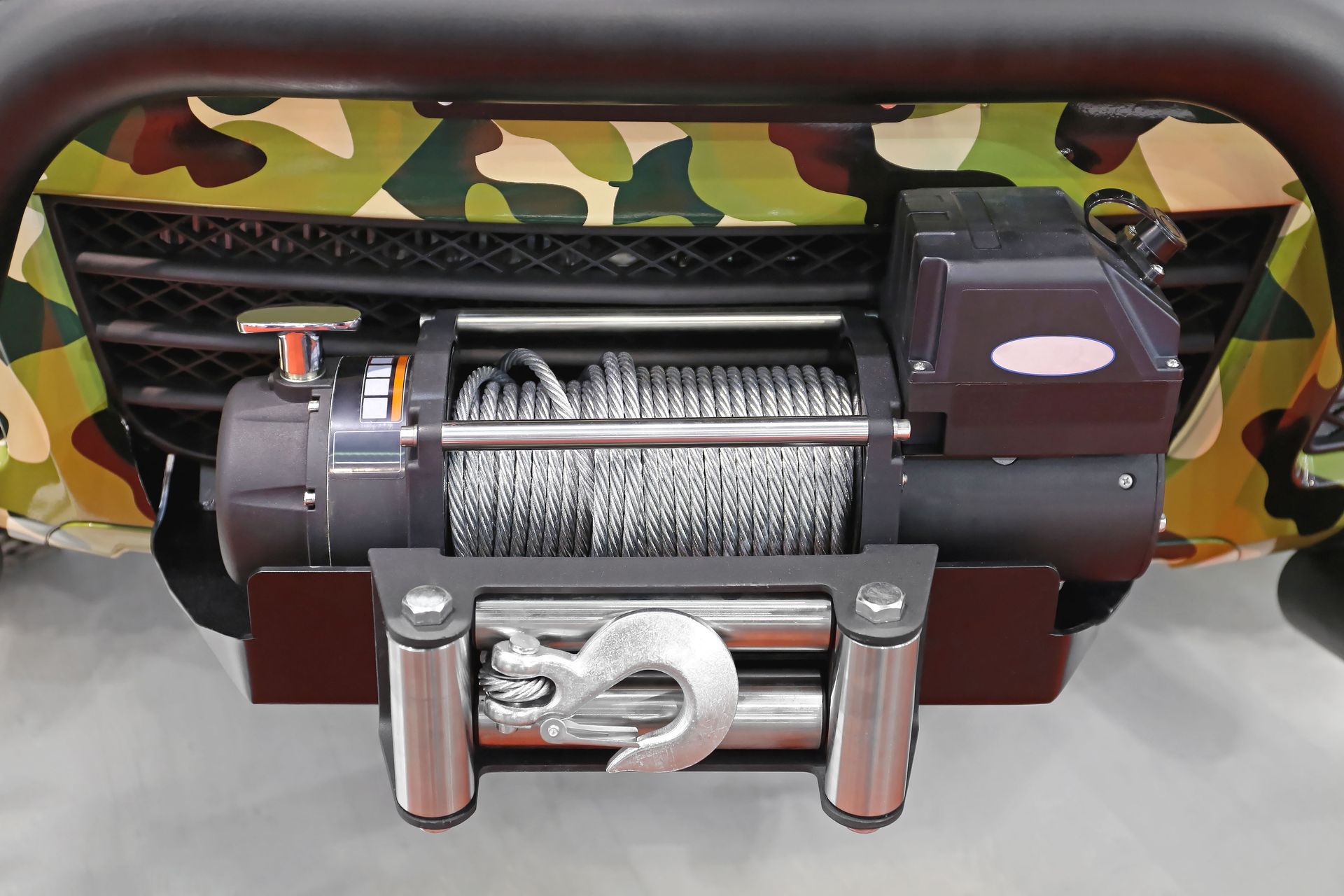
Winches serve as essential tools for handling heavy loads in various work truck applications, providing necessary force for towing, lifting, and positioning heavy machinery. Because winches installed on work trucks must withstand extreme environmental conditions and continuous high-load usage, comprehensive maintenance programs are necessary to keep them operating effectively. Electric winches offer an advantage over their mechanical counterparts because they provide controlled power and smoother operation. According to Data Intelo, electric winches are gaining market share faster because they consume 30-40% less energy than comparable mechanical systems when operated at partial loads. This efficiency in energy usage not only reduces operational costs but also aligns with sustainable energy practices.
Investing in systematic care for each local oil field winch extends total service life, offering a maximum return on equipment capital. Regular inspections prevent minor component wear from escalating into severe system breakdowns, protecting field personnel and project timelines alike. Implementing a structured maintenance plan guarantees operational readiness, reducing expensive downtime during critical load-handling procedures.
Analyzing the Consequences of Neglecting Maintenance
Failing to maintain electrical and mechanical recovery assemblies leads directly to sudden operational downtime and compromised site safety. A malfunctioning local oil field winch hampers truck productivity, generating severe project delays and inflating repair expenses when minor wear causes secondary component damage. Beyond direct monetary losses, neglected machinery presents serious hazards to technicians, as worn braking mechanisms or frayed cables significantly increase the probability of jobsite accidents.
The indirect expenses tied to operational neglect accumulate rapidly across field operations. Unscheduled downtime disrupts project workflows, while emergency repairs carry steep premiums compared to budgeted, preventative interventions. Furthermore, equipment failures risk damaging the host vehicle chassis or surrounding assets, reinforcing why proactive maintenance strategies are vital for modern fleet managers.
Establishing the Frequency of Maintenance Protocols
Determining proper inspection schedules depends on load intensity, environmental exposure, and manufacturer operating guidelines. For heavy-duty applications, monthly checks are recommended to identify emerging mechanical stress, whereas secondary backup systems may only require bi-monthly examinations. Adapting service frequency to real-world usage patterns ensures maintenance labor remains both efficient and effective.
Environmental shifts also dictate adjustments to service schedules, as extreme temperatures, humidity, and airborne contaminants impact component integrity. Cold climates demand specialized low-temperature lubricants, while high-humidity environments require frequent corrosion checks on exposed metallic surfaces. Tailoring maintenance routines to seasonal and environmental variables protects high-value assets throughout their operating lifecycle.
Evaluating the Cost-Benefit Dynamics of Servicing
Conducting regular financial assessments highlights the severe cost disparities between planned preventative upkeep and emergency repair operations. Preventative servicing involves predictable, manageable expenditures for fresh lubricants, seals, and minor hardware. In contrast, sudden field failures result in expensive emergency parts shipments, specialized labor costs, and lost billable operating hours.
Beyond direct cost control, scheduled servicing supports broader sustainability goals by maximizing physical asset utilization. Keeping equipment running at peak efficiency lowers total energy consumption and minimizes raw material waste associated with premature replacements. A well-maintained local oil field winch operates with optimal efficiency, supporting both corporate fiscal goals and modern environmental standards.
Inspecting Core Electrical Components and Connections
Proper electrical maintenance requires thorough testing of power delivery networks, control modules, and battery assemblies. Loose terminals or corroded wiring harnesses introduce electrical resistance, leading to erratic motor behavior, dangerous thermal spikes, and sudden power loss. Routine cleaning, tightening, and sealing of electrical interfaces prevents signal degradation and preserves overall power efficiency.
Technicians must also monitor power supplies and control units using advanced diagnostic tools like digital multimeters and thermal imaging equipment. Assessing battery health under load conditions helps identify voltage drops before they cause field failures, while verifying wiring insulation guards against short circuits. Consistently logging these diagnostic metrics allows service teams to predict failure points and replace aging components proactively.
Executing Essential Lubrication and Cleaning Protocols
Effective lubrication reduces internal friction, dissipates heat, and shields internal gearing from moisture and debris. High-performance synthetic greases designed for extreme pressure applications ensure critical gears and bearings maintain protective film strength during high-load pulls. Cleaning the assembly prior to grease application prevents abrasive grit from compromising internal mechanical seals.
Executing proper lubrication involves clearing old grease, applying fresh lubricant directly to high-friction interfaces, and cycling the mechanism without a load to ensure even distribution. Following precise manufacturer application standards prevents over-greasing, which can damage internal seals and attract foreign contaminants. Consistent cleaning and lubrication routines protect internal drive assemblies from early fatigue.
Upkeep of Mechanical Components and Cable Systems
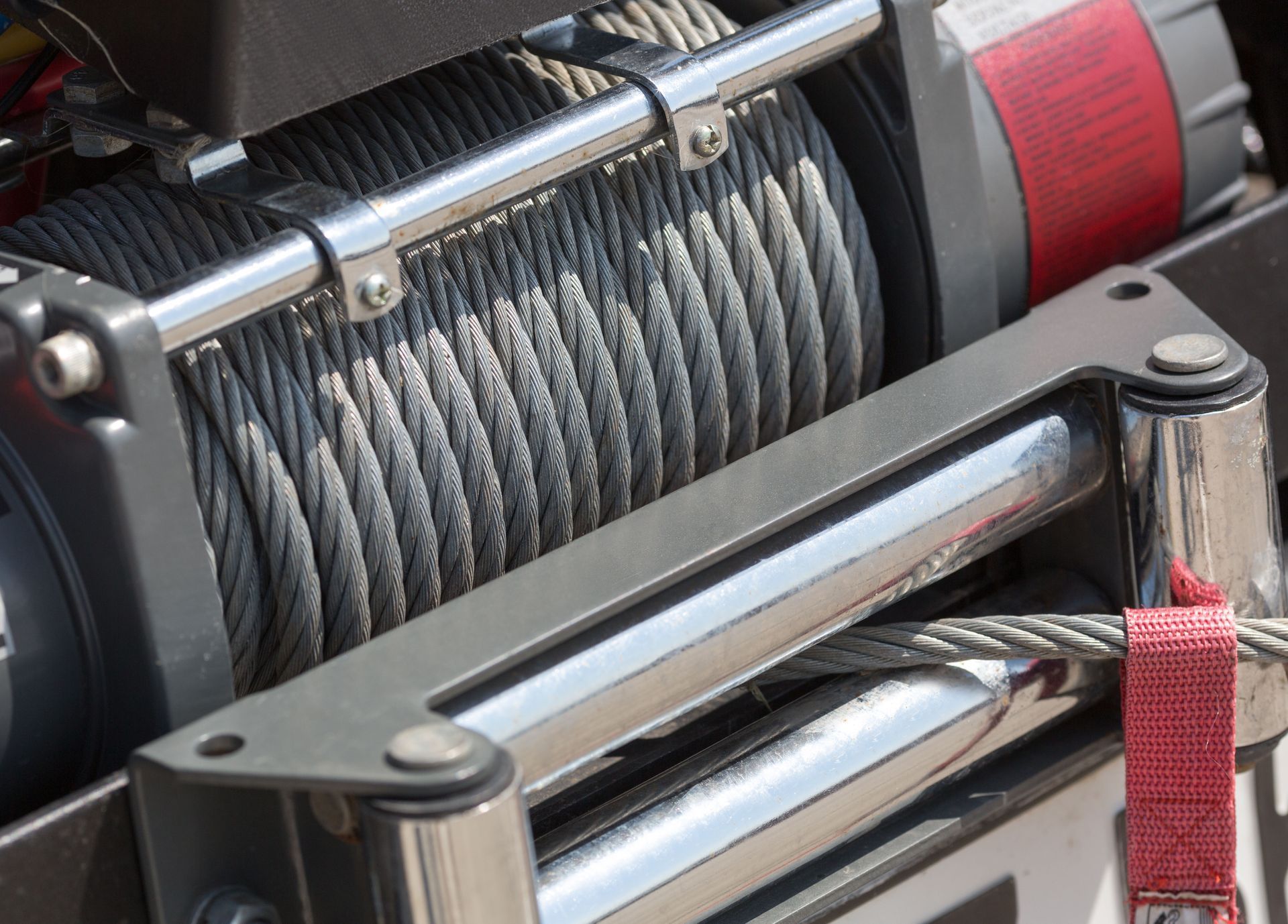
The mechanical integrity of a local oil field winch relies heavily on the structural condition of its cable, drum, and braking mechanisms. Synthetic lines and steel wire ropes must undergo regular spooling inspections to identify crushing, bird-caging, or broken strands. Damaged cables must be removed from service immediately to prevent sudden snapping under load.
Brake assemblies require frequent calibration to ensure secure load holding without slippage or dragging. Checking drum alignment, mounting hardware torque, and housing seals ensures structural stresses are distributed evenly across the vehicle frame. Replacing worn mechanical hardware before noticeable degradation occurs protects the operator and maintains smooth pulling performance.
Implementing Environmental and Weatherproofing Measures
Operating heavy vehicles in harsh outdoor environments exposes pulling equipment to moisture, salt spray, mud, and intense UV radiation. Applying protective marine-grade coatings and corrosion inhibitors to exposed metallic surfaces prevents rust formation that weakens structural housings over time. Weatherproof covers should be utilized whenever equipment remains idle to guard against moisture accumulation.
When operating in freezing or excessively dusty conditions, specialized seals and thermal wraps safeguard delicate electrical and mechanical internals. Inspecting rubber grommets, housing gaskets, and breathers ensures environmental contaminants cannot breach internal gearboxes or motor casings. Proactive weatherproofing preserves operational readiness regardless of challenging field conditions.
Optimizing Operational Techniques for Fleet Long-Term Reliability
Machine durability depends heavily on operator proficiency and adherence to recommended load limits. Avoid shock-loading winches by taking up cable slack gradually before applying full motor torque. Training field crews to pull at direct angles rather than severe side-angles reduces uneven drum spooled tension and prevents costly frame alignment damage.
Establishing strict operational limits prevents overheating motor windings and straining mechanical gear trains. Fleet managers should implement digital logging tools or manual shift sheets to track total operating hours, duty cycles, and peak load events. Educating operators on proper pulling practices minimizes stress on both the vehicle and its recovery equipment.
Standardizing Professional Diagnostics and Field Support
While daily visual checks can be performed by operators, complex diagnostics and internal overhauls should be handled by certified technicians. Experienced technical teams utilize specialized calibration tools to test thermal cutoffs, electrical current draws, and dynamic brake holding capacities under controlled conditions. Professional evaluations ensure complex machinery complies with rigorous safety standards.
Partnering with accredited service centers ensures access to genuine replacement parts and advanced diagnostic software. Maintaining detailed service records for every asset simplifies warranty tracking and assists in projecting replacement timelines. Engaging certified professionals guarantees that equipment servicing meets exact engineering specifications.
Maintaining high equipment reliability requires superior hardware, expert support, and industry-leading field solutions. Investing in a heavy-duty
local oil field winch from Stewart Wholesale Company Inc guarantees that your work trucks are outfitted with rugged, high-efficiency equipment engineered for demanding jobsites. Our dedicated team provides full-service technical support, preventative maintenance guidance, and premium replacement components to ensure your field operations remain fully productive and safe. Partner with us today to upgrade your fleet with advanced pulling solutions and unmatched operational reliability.