October 12, 2026
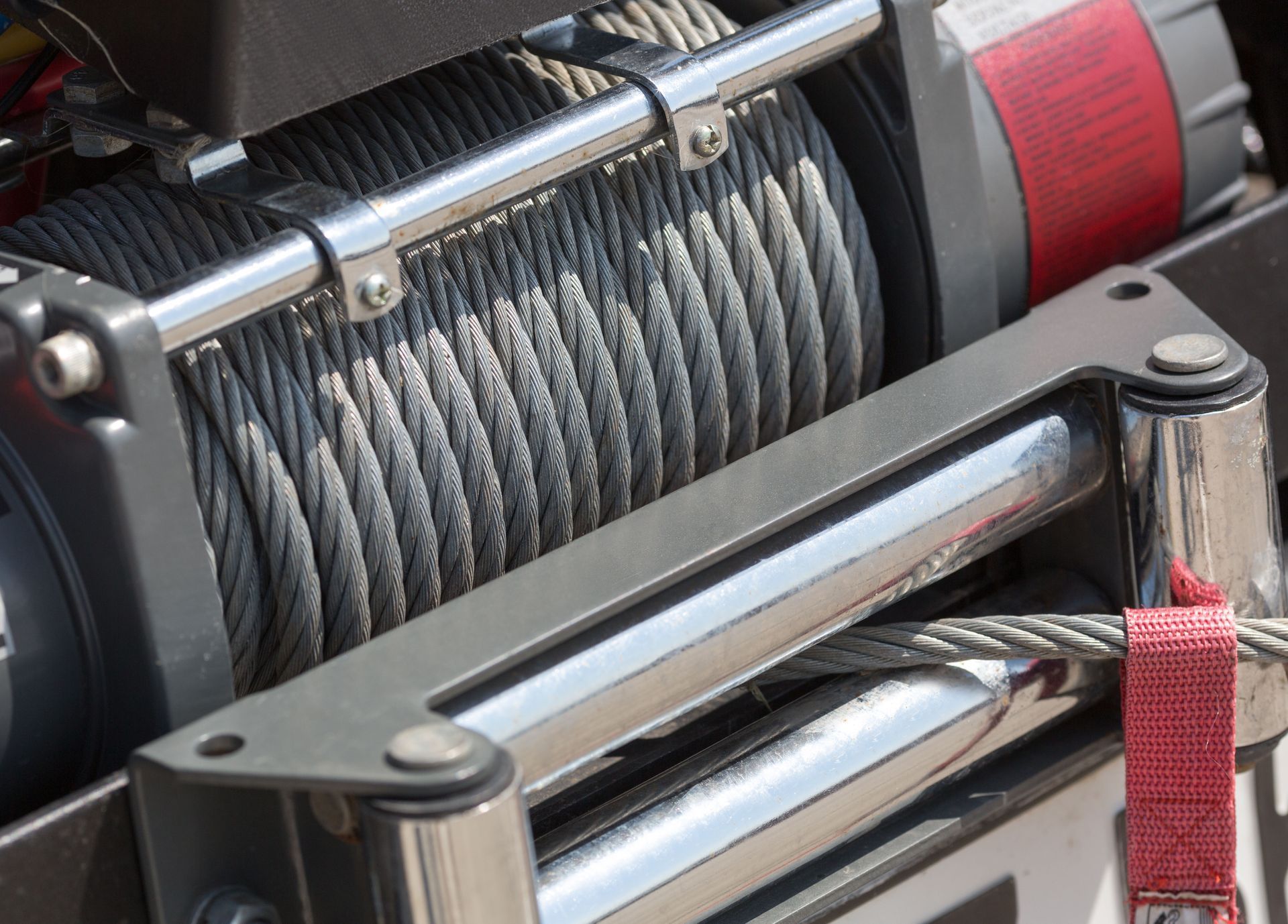
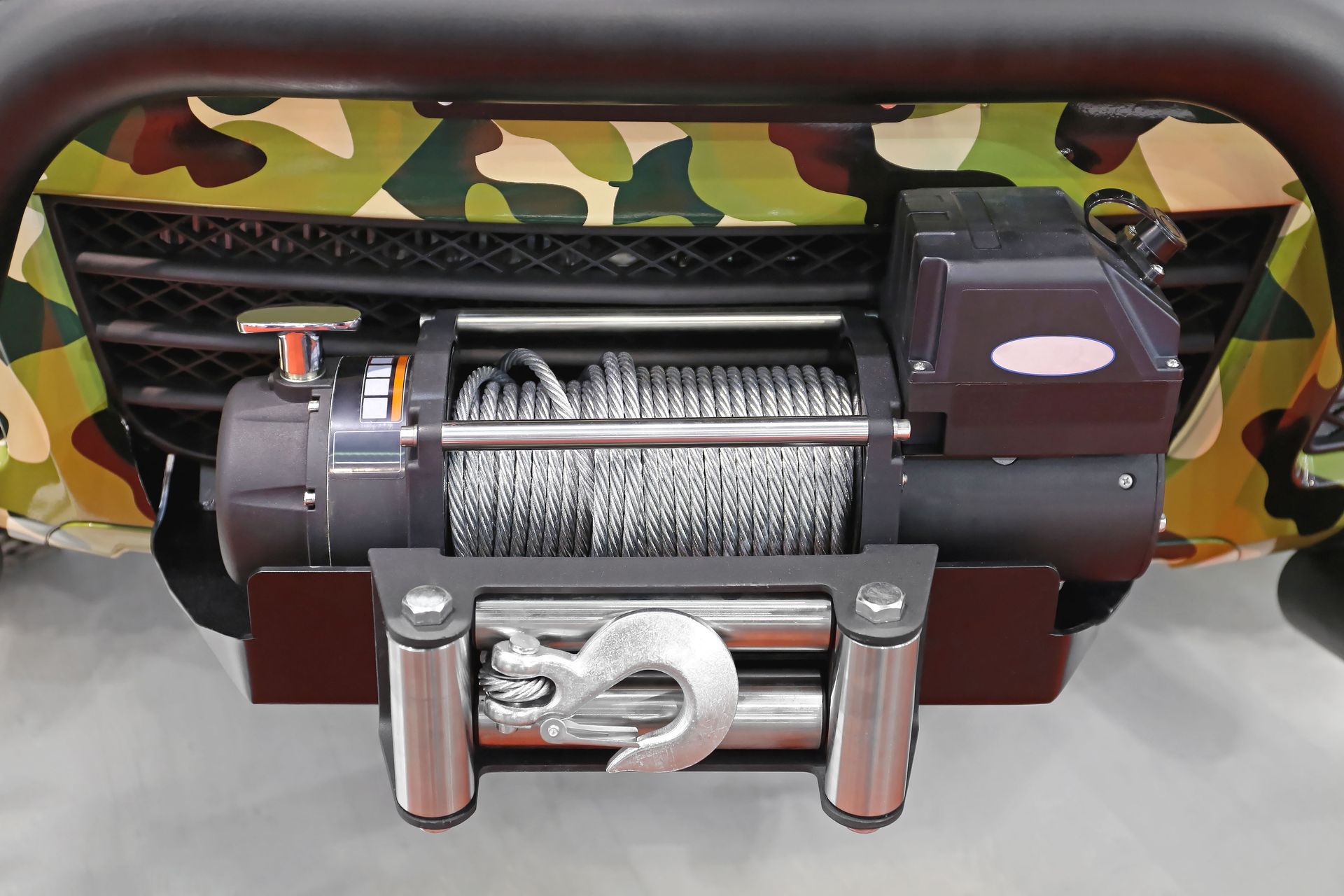
Oilfield job sites depend on equipment that can handle demanding loads, repetitive lifting tasks, changing conditions, and strict operating schedules. When crews need to move heavy tools, materials, and components, the efficiency of the lifting and pulling equipment can directly affect how quickly work progresses. Electric winches can provide a practical way to support these tasks by delivering controlled pulling power with fewer manual steps. An oil field winch can help crews position equipment, manage loads, and complete certain operations with greater consistency while reducing unnecessary delays. Because oilfield productivity depends on coordinating workers, vehicles, machinery, and materials, reliable winching equipment can play an important role in keeping jobs moving. Understanding how electric winches contribute to productivity can help companies evaluate where this equipment fits into their operations.
Reducing Manual Labor During Material Handling
Many oilfield tasks involve moving heavy equipment or materials into position, and relying heavily on manual labor can make these jobs slower and more physically demanding. Electric winches can reduce the amount of effort required from workers by providing mechanical pulling power for loads that would otherwise require multiple people or additional equipment. This can be useful when repositioning tools, handling components, or assisting with other controlled movement around the site. By reducing the number of workers needed for certain lifting or pulling activities, crews can direct their attention to other parts of the job.
An oil field winch can also create a more repeatable process for routine material-handling tasks. Instead of depending on workers to pull, push, or reposition equipment manually, operators can use controlled winching to move loads at a more consistent pace. This may help simplify workflows and reduce interruptions caused by fatigue or the need to reorganize personnel. On busy job sites, even modest improvements in how materials are moved can contribute to better productivity throughout the day, particularly when the same types of tasks must be completed repeatedly.
Supporting Remote Operation and Monitoring
Modern electric winches may include features that allow operators to control or monitor equipment from a distance. Remote operation can reduce the need for a worker to remain directly beside the winch during certain tasks, depending on the equipment and job requirements. This can give operators a better viewing position when monitoring a moving load and may improve communication with other workers involved in the operation. Digital monitoring features can also provide useful information about operating conditions, helping crews make more informed decisions while equipment is in use.
According to Data Intelo, electric winches offer remote operation, load monitoring, and predictive maintenance capabilities that can reduce unexpected equipment failures and downtime by as much as 25%. These capabilities can make an oil field winch more useful as part of a broader effort to keep equipment available and operating efficiently. When crews can monitor performance and identify possible maintenance concerns earlier, they may be able to schedule service before a problem causes an unexpected interruption. Reducing avoidable downtime can help keep production schedules on track.
Increasing Efficiency During Repetitive Tasks
Oilfield operations often involve repetitive tasks that become time-consuming when each step requires significant manual setup. Electric winches can help simplify repeated pulling and positioning activities by providing consistent power each time the equipment is used. Once workers become familiar with the operating process, they may be able to complete similar tasks more quickly and with fewer adjustments. Consistency can be especially valuable on job sites where crews perform the same loading, positioning, or material-handling procedures throughout a shift.
An oil field winch can also help crews maintain a steadier workflow by reducing the physical effort involved in repeated movement. Workers may spend less time gathering additional personnel or arranging alternative methods for handling demanding loads. Instead, the winch can serve as a dedicated piece of equipment for the task. When routine operations can be completed using a predictable process, supervisors may find it easier to plan labor and equipment use across the site. That organization can help reduce bottlenecks and keep different work activities moving in sequence.
Reducing Downtime Through Easier Maintenance
Equipment downtime can disrupt oilfield schedules because one unavailable machine may delay several connected tasks. Electric winches can support preventive maintenance programs when they include monitoring systems or accessible components that make inspection easier. Tracking equipment performance can help crews identify unusual operation, increased load demands, or other conditions that may indicate service is needed. Addressing problems before complete failure occurs can reduce the likelihood of an unexpected stoppage in the middle of an important job.
Maintaining an oil field winch on a planned schedule can also help companies coordinate repairs with other maintenance activities. Instead of waiting for equipment to fail, crews can inspect cables, controls, connections, mounting points, and other components at scheduled intervals. Planned service may allow maintenance teams to prepare parts and tools in advance, reducing the amount of time equipment remains unavailable. A predictable maintenance routine can therefore support productivity by helping the winch remain dependable when crews need it for day-to-day operations.
Improving Job Site Organization and Workflow
Productivity often depends on more than the speed of individual machines. A well-organized job site allows equipment, materials, and workers to move without unnecessary interference. Electric winches can support this organization by helping crews position materials where they are needed instead of relying on repeated manual handling. When loads can be moved in a controlled manner, teams may be able to keep work areas clearer and reduce the amount of time spent relocating equipment that was placed incorrectly.
An oil field winch can also become part of a planned material-handling system in which specific equipment is assigned to specific tasks. This can reduce uncertainty about how heavy loads will be moved and limit the need to find another machine each time a pulling task arises. When crews know what equipment is available and how it will be used, they can prepare the work area in advance. Better coordination among workers, winch operators, and other machinery can help reduce idle time and support a more efficient overall job site.
Supporting Consistent Performance Across Shifts
Oilfield operations may continue for long hours or across multiple shifts, making consistent equipment performance important. Manual methods can vary depending on crew size, worker experience, and fatigue, while powered winches can provide a more standardized approach to certain lifting and pulling tasks. Consistent equipment operation can help different crews follow similar procedures, making it easier to maintain productivity as personnel change throughout the day. Standardized processes may also simplify training because workers can learn an established method for using the equipment.
A dependable oil field winch can help crews complete demanding tasks with less variation from one shift to the next. When equipment performs consistently, supervisors can estimate task durations more accurately and coordinate related activities more effectively. This can be particularly useful when delays in one area would affect transportation, maintenance, drilling support, or other operations. Reliable winching equipment cannot eliminate every source of delay, but it can reduce uncertainty in the tasks it supports and help job sites maintain a more predictable pace of work.
Electric winches can improve oilfield productivity by reducing manual labor, providing better control, supporting remote operation, simplifying repetitive tasks, and helping crews plan maintenance more effectively. They can also contribute to better organization by giving workers a dependable method for moving and positioning heavy loads as different phases of a project progress. When equipment operates consistently and can be monitored for potential problems, companies may be able to reduce interruptions and make better use of both labor and machinery. Choosing the right winching equipment should take into account load requirements, operating conditions, maintenance needs, and the specific tasks performed on the site. For help finding equipment suited to demanding oilfield operations, contact Stewart Wholesale Company Inc.